I tried turning a news story into a simulation game. You are a mayoral candidate with 10 days to convince voters using digital marketing tools. Not all options are legal. Play now!
Pixel art game inspired by a BBC story: you are a mayoral candidate, 10 days from the first round of voting. Choose between debate, TV airtime, street campaigning, WhatsApp mass messaging, neurobots, deepfakes — with real risk of being barred by Brazil's Electoral Court.
Our commitment to transparency goes beyond data analysis. We actively promote public accountability
through educational content and advocacy for open government initiatives.
Global Investigative Journalism Conference (Sweden) speech
Presentation at a tech conference in Lisbon
Interviewed by a Brazilian prime time show
Workshop on how to investigate deforestation with public records
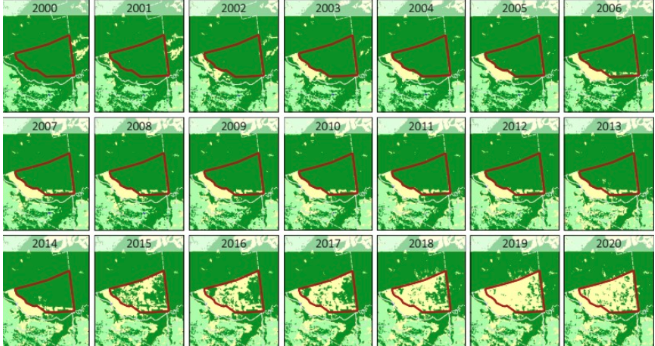
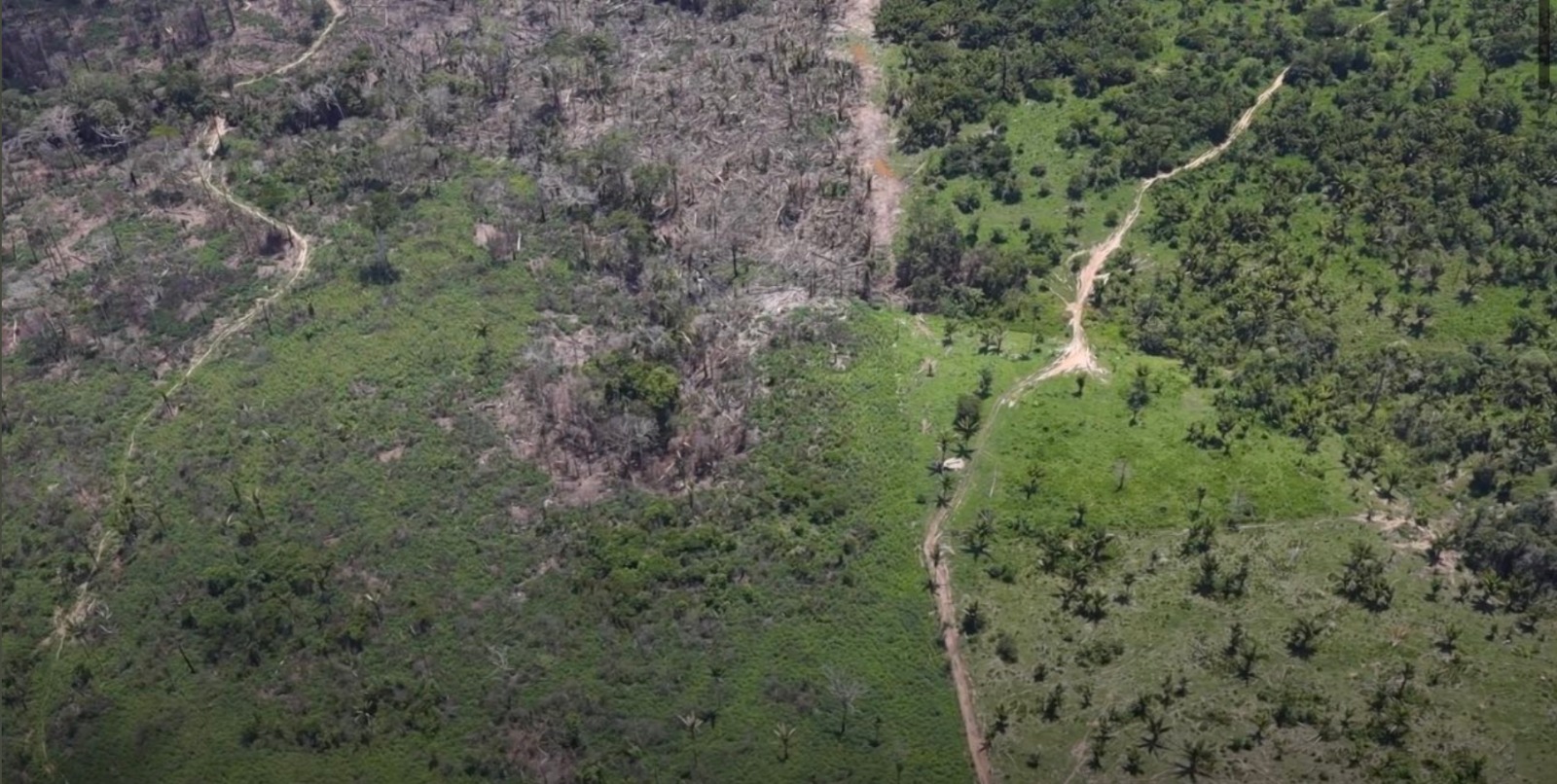
Majority of Amazon fire and deforestation fines in 12 Brazilian cities
This significant concentration of environmental infractions in a small fraction of the region highlights
critical areas of concern in the Amazon. The data reveals patterns and hotspots of environmental violations,
offering insights for further investigation and policy action.
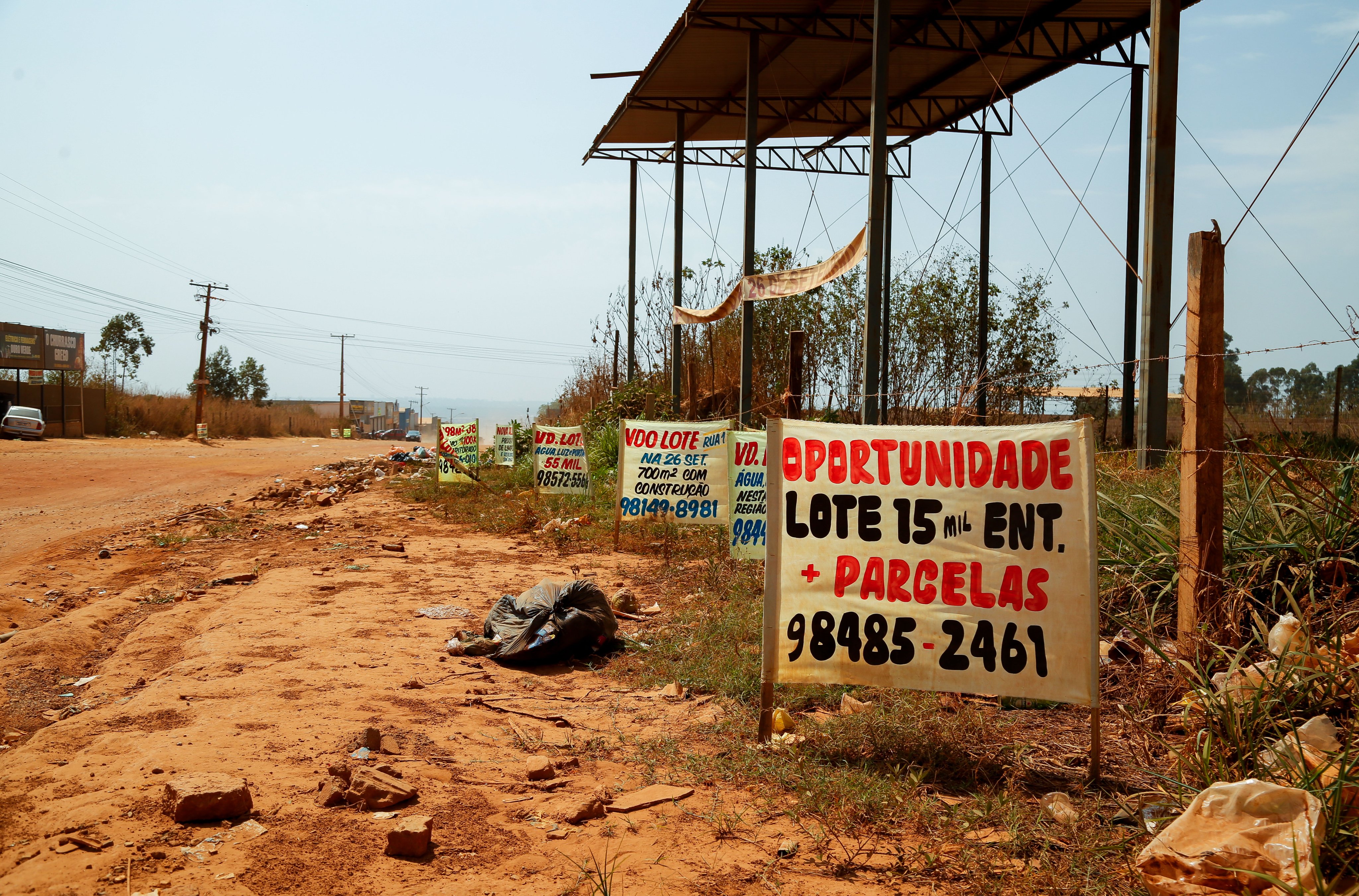
We investigated how, with the support of politicians, individuals are invading Brazil's conservation units,
deforesting, and profiting from the sale of plots in the Distrito Federal, near the Congress and Palácio do
Planalto.
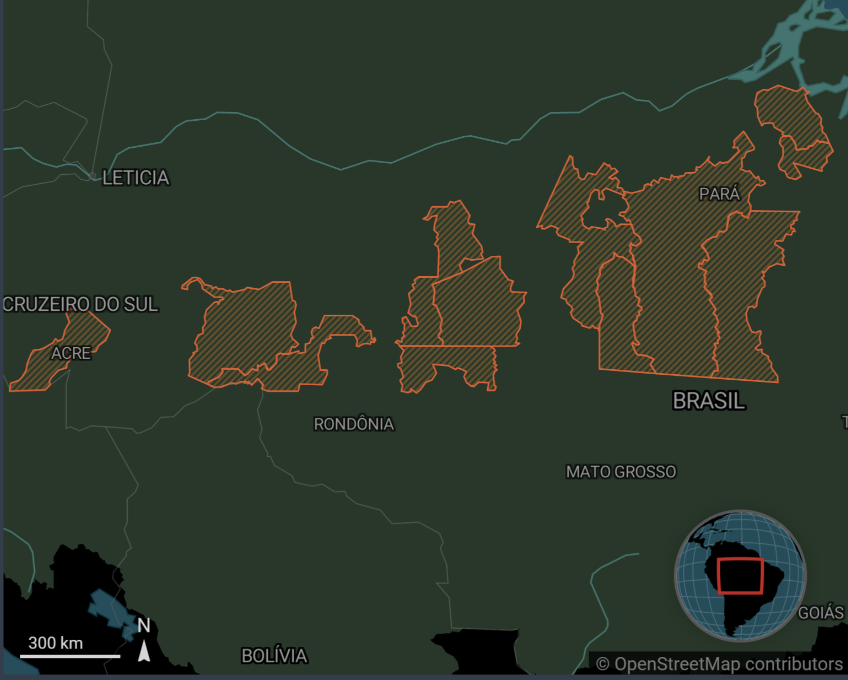
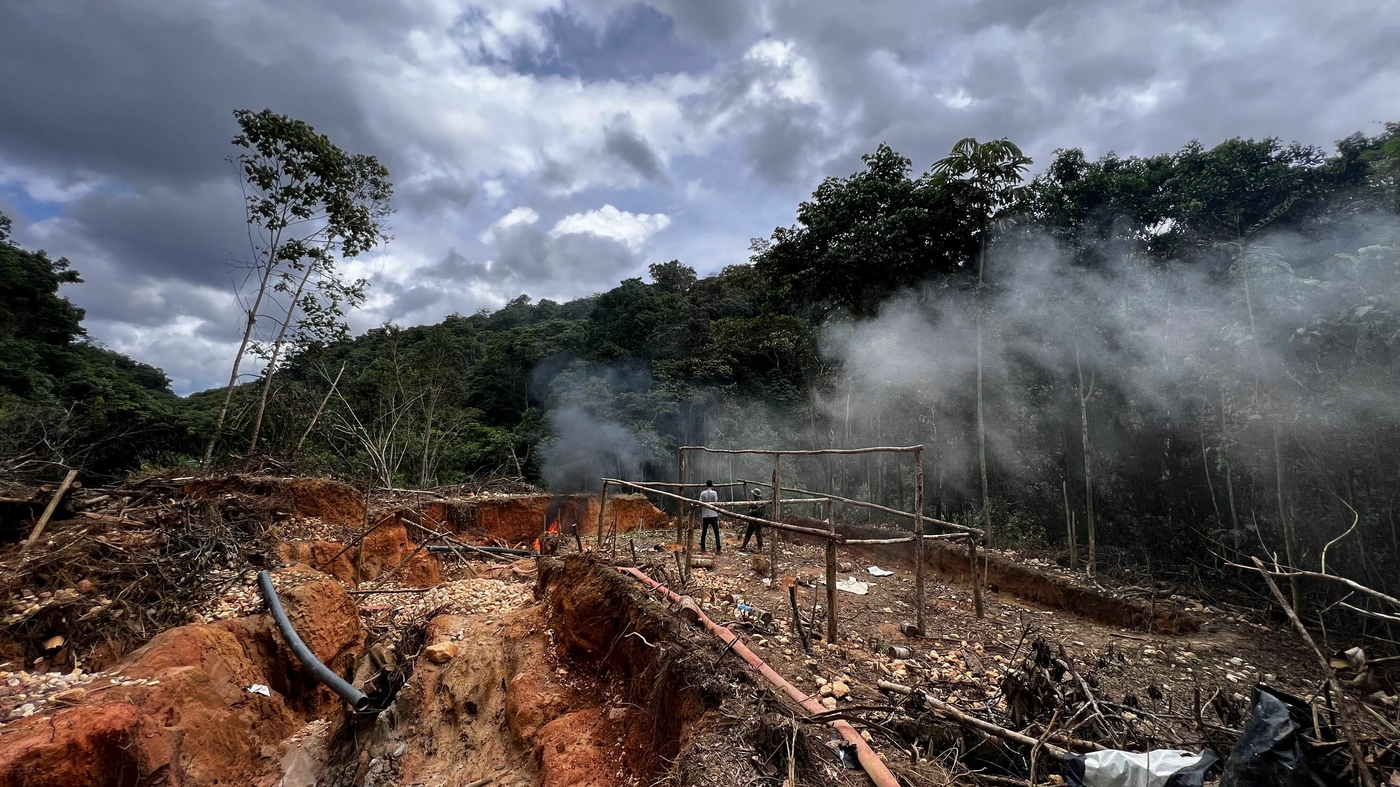
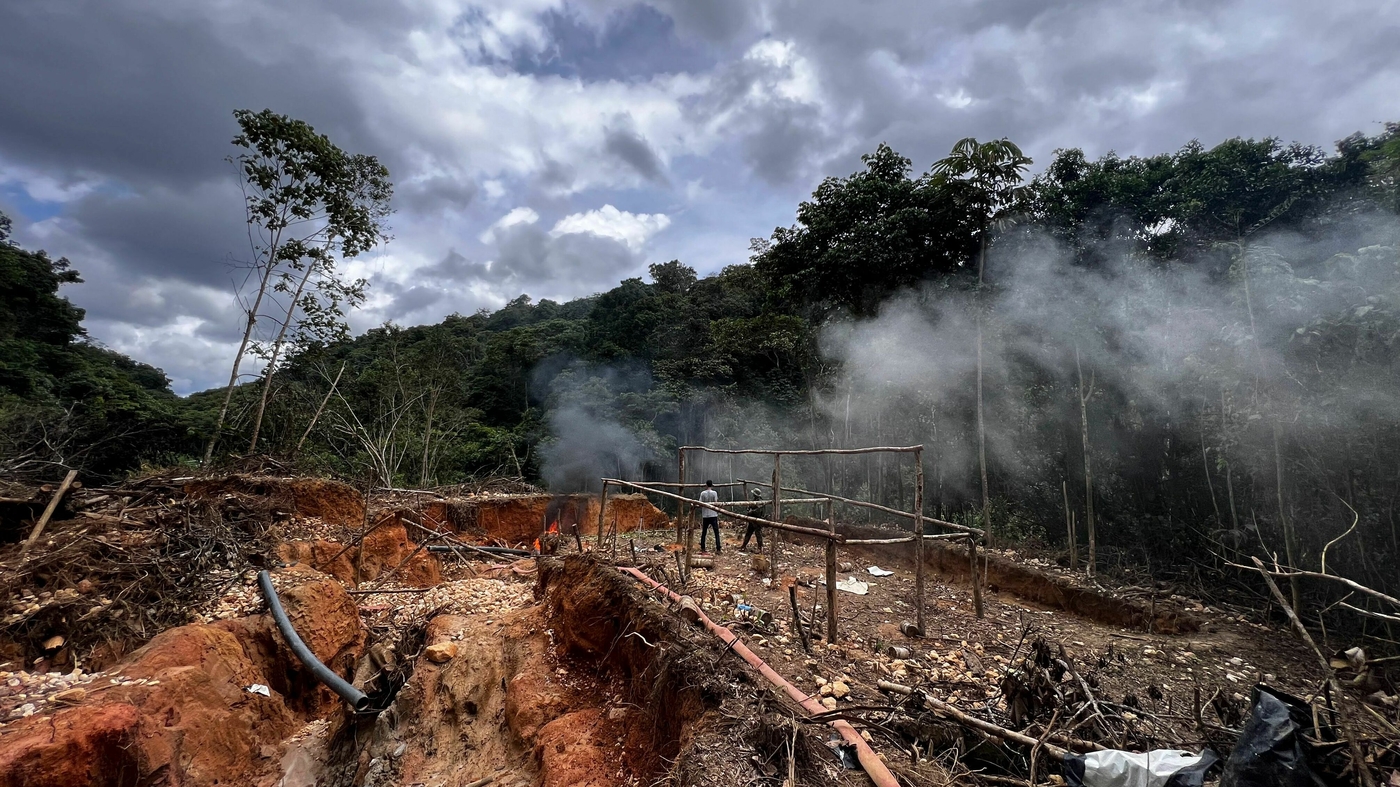
Land Grabbing, Gold Mining, and Cocaine Trade in the Amazon
This investigation uncovers a scheme in the Amazon region called “agropó” that combines land grabbing,
illegal mining, and international cocaine trafficking. The investigation reveals that wealthy landowners,
such as Janio Oliveira, have been involved in this lucrative criminal network.
A one‑year cross‑border series of articles that mapped the presence of organized crime groups in the Amazon
region and reported on‑the‑ground about the impacts of their actions. Data Fixers coordinated the data
analysis and obtained the documents needed for the stories.
An International Consortium of Investigative Journalists (ICIJ)‑led cross‑border investigation exposes how
a lightly regulated sustainability industry overlooks forest destruction and human rights violations when
granting environmental certifications. Data Fixers coordinated the data analysis and obtained the documents
needed for the Brazilian stories.
How public agencies hinder access to information about the beef cattle chain
In partnership with NGO Global Witness, Data Fixers investigated how government agencies use several
strategies to withhold data about the cattle chain in Brazil, making it harder to investigate companies.
The Brazilian magazine Piauí has published a profile on Altino Masson, a man who has illegally seized
458,000 hectares of public lands, an area equivalent to three times the size of the city of São Paulo. This
story is based on a data analysis conducted by Data Fixers and the Center for Climate Crime Analysis (CCCA).
This story was supported by Earth News Network/Internews. Brazilwood is being driven to extinction by an
industry not often associated with organized crime: classical music. Known for its density and strength, the
wood is crafted into bows that are used to play stringed instruments such as violins and cellos around the
world. Forensic tests on a sample of the confiscated wood, obtained by reporters, show it was logged in the
Pau Brazil National Park.
The Brazilian Bow Makers Under Investigation For Dealing in Endangered Wood
A two‑month cross‑border investigation in the US, UK and Brazil about a group of bowmakers suspected of
trafficking an endangered Brazilian wood to make violin and cello bows.
How Brazil's environmental agency lost R$ 1 billion in environmental fines
An investigation about how environmental fines disappeared from Brazil's environmental agency office,
Ibama, helping several offenders save money and continue deforestation in the Amazon.
We found out that almost half environmental embargoes in Brazil have no name on it, meaning that the
government didn't know who was responsible for deforestation in that area. By cross‑referencing public
datasets, we were able to identify some of these agents.
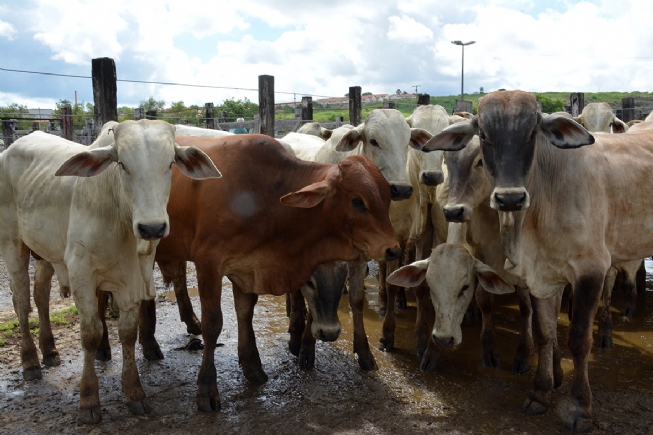
The harsh, dangerous gig of seizing thousands of illegal cattle in the Amazon
This story explains how tracking illegal cattle in the Amazon is possible through GTA, a document issued
by state agencies, and why they try to hide those documents from civil society.
Majority of Amazon fire and deforestation fines in 12 Brazilian cities
This significant concentration of environmental infractions in a small fraction of the region highlights
critical areas of concern in the Amazon. The data reveals patterns and hotspots of environmental
violations, offering insights for further investigation and policy action.
We investigated how, with the support of politicians, individuals are invading Brazil's conservation
units, deforesting, and profiting from the sale of plots in the Distrito Federal, near the Congress and
Palácio do Planalto.
Land Grabbing, Gold Mining, and Cocaine Trade in the Amazon
This investigation uncovers a scheme in the Amazon region called “agropó” that combines land grabbing,
illegal mining, and international cocaine trafficking. The investigation reveals that wealthy landowners,
such as Janio Oliveira, have been involved in this lucrative criminal network.
A one‑year cross‑border series of articles that mapped the presence of organized crime groups in the
Amazon region and reported on‑the‑ground about the impacts of their actions. Data Fixers coordinated the
data analysis and obtained the documents needed for the stories.
An International Consortium of Investigative Journalists (ICIJ)‑led cross‑border investigation exposes
how a lightly regulated sustainability industry overlooks forest destruction and human rights violations
when granting environmental certifications. Data Fixers coordinated the data analysis and obtained the
documents needed for the Brazilian stories.
How public agencies hinder access to information about the beef cattle chain
In partnership with NGO Global Witness, Data Fixers investigated how government agencies use several
strategies to withhold data about the cattle chain in Brazil, making it harder to investigate companies.
The Brazilian magazine Piauí has published a profile on Altino Masson, a man who has illegally seized
458,000 hectares of public lands, an area equivalent to three times the size of the city of São Paulo.
This story is based on a data analysis conducted by Data Fixers and the Center for Climate Crime Analysis
(CCCA).
This story was supported by Earth News Network/Internews. Brazilwood is being driven to extinction by an
industry not often associated with organized crime: classical music. Known for its density and strength,
the wood is crafted into bows that are used to play stringed instruments such as violins and cellos around
the world. Forensic tests on a sample of the confiscated wood, obtained by reporters, show it was logged
in the Pau Brazil National Park.
The Brazilian Bow Makers Under Investigation For Dealing in Endangered Wood
A two‑month cross‑border investigation in the US, UK and Brazil about a group of bowmakers suspected of
trafficking an endangered Brazilian wood to make violin and cello bows.
How Brazil's environmental agency lost R$ 1 billion in environmental fines
An investigation about how environmental fines disappeared from Brazil's environmental agency office,
Ibama, helping several offenders save money and continue deforestation in the Amazon.
Data Fixers is a data‑driven journalism and consulting project created at the The Brown Institute for Media
Innovation — a joint initiative between Columbia University and Stanford University. This project received a
Magic Grant to find data and public records to support investigative journalism in Brazil and is coordinated
by journalist Luiz Fernando Toledo
(Master of Science in Data Journalism 2022).
 EXPERIMENTAL GAME